Sustainable infrastructure in cities aims to balance necessary urban growth with the preservation and expansion of green spaces, fostering livable environments that support both human well-being and ecological health. This approach integrates green infrastructure, innovative urban planning, and community engagement to create resilient urban ecosystems.
Balancing Growth and Green Space
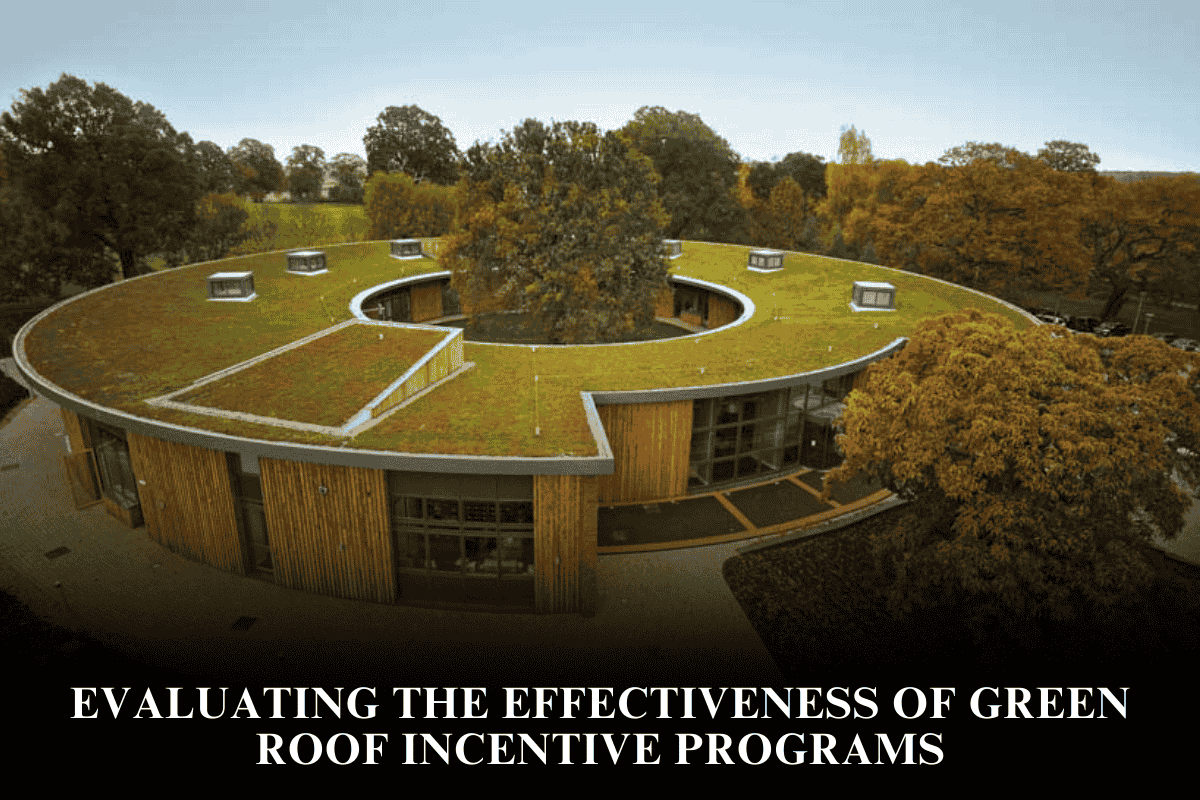
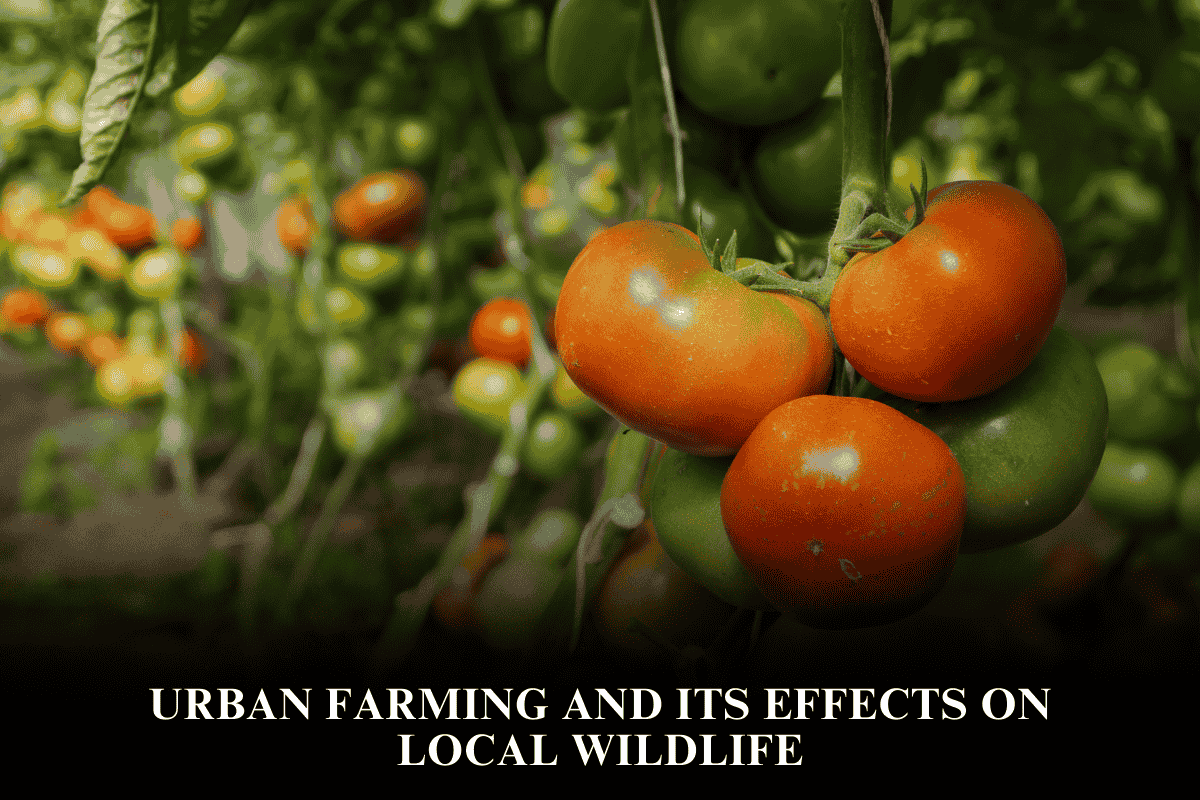
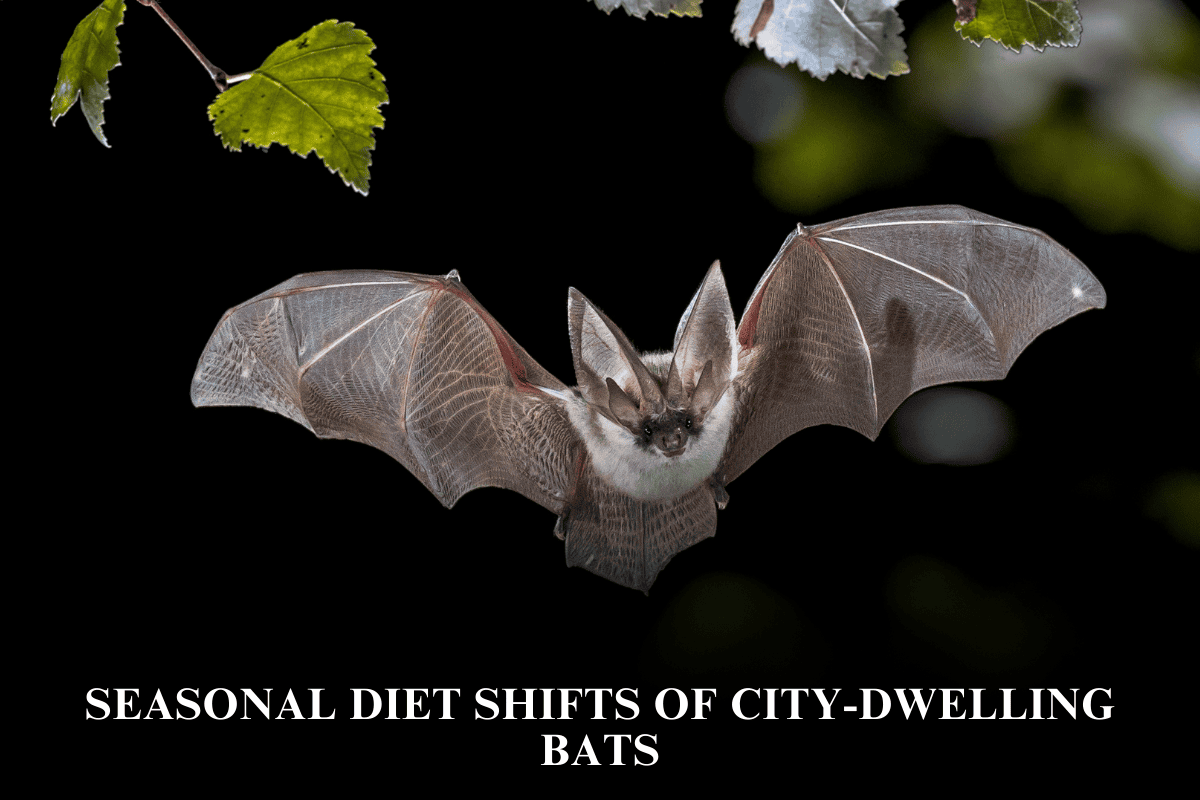
- Green Infrastructure Integration: Incorporating green roofs, walls, parks, wetlands, and permeable surfaces into urban development mitigates heat island effects, manages stormwater, improves air quality, and provides vital habitats for wildlife. These multi-functional green spaces support biodiversity while enhancing urban resilience and public health.
- Land Use and Economic Considerations: Urban green spaces often compete with development for limited land, necessitating policy and financial strategies such as public-private partnerships, incentives, and zoning regulations that prioritize green space preservation without stalling growth. Balanced approaches recognize green spaces not as luxuries but essential urban infrastructure.
- Policy and Planning Frameworks: Effective sustainable urban development integrates green spaces at all planning levels—from master plans to building codes—mandating minimum green coverage, using native vegetation, and encouraging biodiversity-friendly design. Urban densification strategies can coexist with green infrastructure to optimize ecological and social benefits.
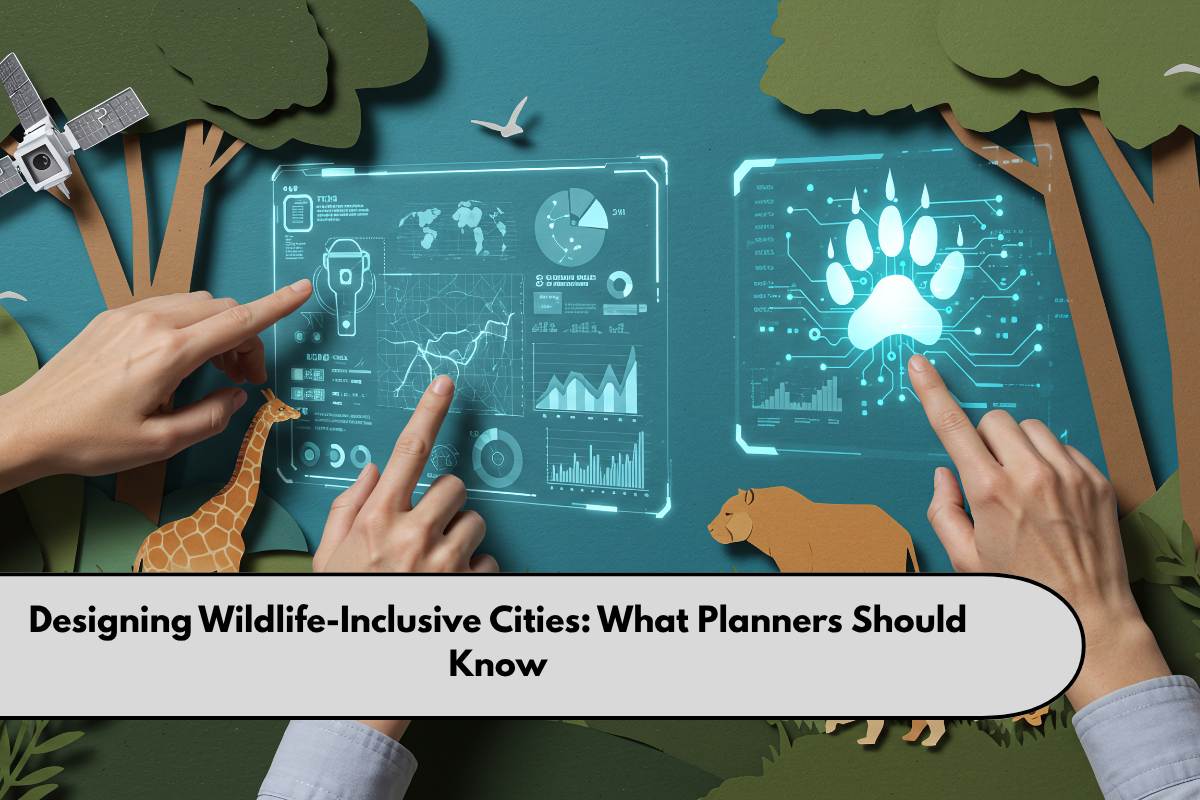
- Use of Technology and Data: GIS, spatial modeling, and machine learning enhance green space planning by identifying optimal locations, evaluating ecosystem service delivery, and monitoring urban growth impacts. Data-driven decision-making ensures equitable and sustainable green space allocation.
- Community Engagement: Sustainable infrastructure projects thrive with active participation from residents, businesses, and stakeholders, fostering stewardship and social inclusion. Initiatives like community gardens, urban forestry, and green space volunteer programs enhance social cohesion and ecological awareness.
FAQs
Q1: Why is balancing green space with urban growth important?
Green spaces improve air quality, reduce heat, support biodiversity, and promote public health, making cities livable and resilient while accommodating growth.
Q2: How can cities integrate green spaces amid dense development?
Through green roofs, vertical gardens, parks, permeable surfaces, and zoning policies requiring green coverage.
Q3: What economic challenges affect green space preservation?
High land values and competing development interests require innovative funding and policy incentives to protect green infrastructure.
Q4: How does technology help sustainable urban planning?
GIS, machine learning, and spatial models optimize green space placement and evaluate ecosystem services.
Q5: What role do communities play?
Community involvement in planning and stewardship enhances project success and social benefits.