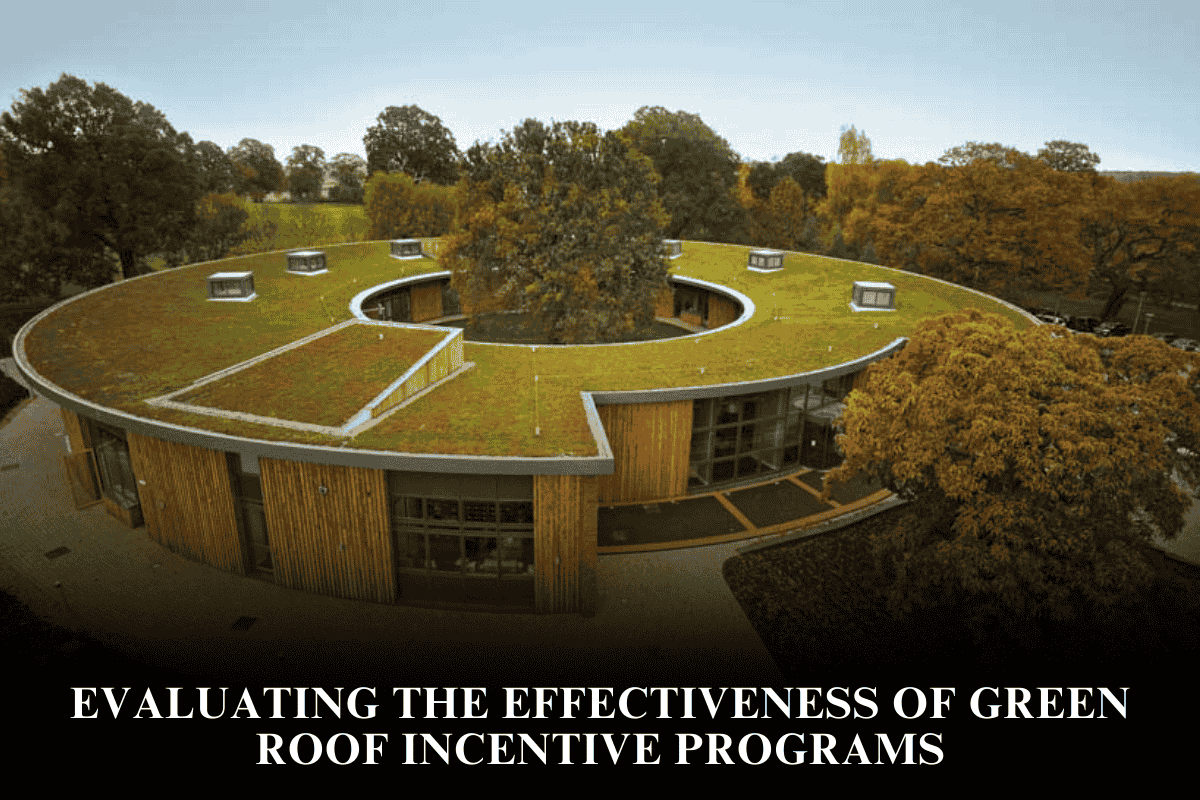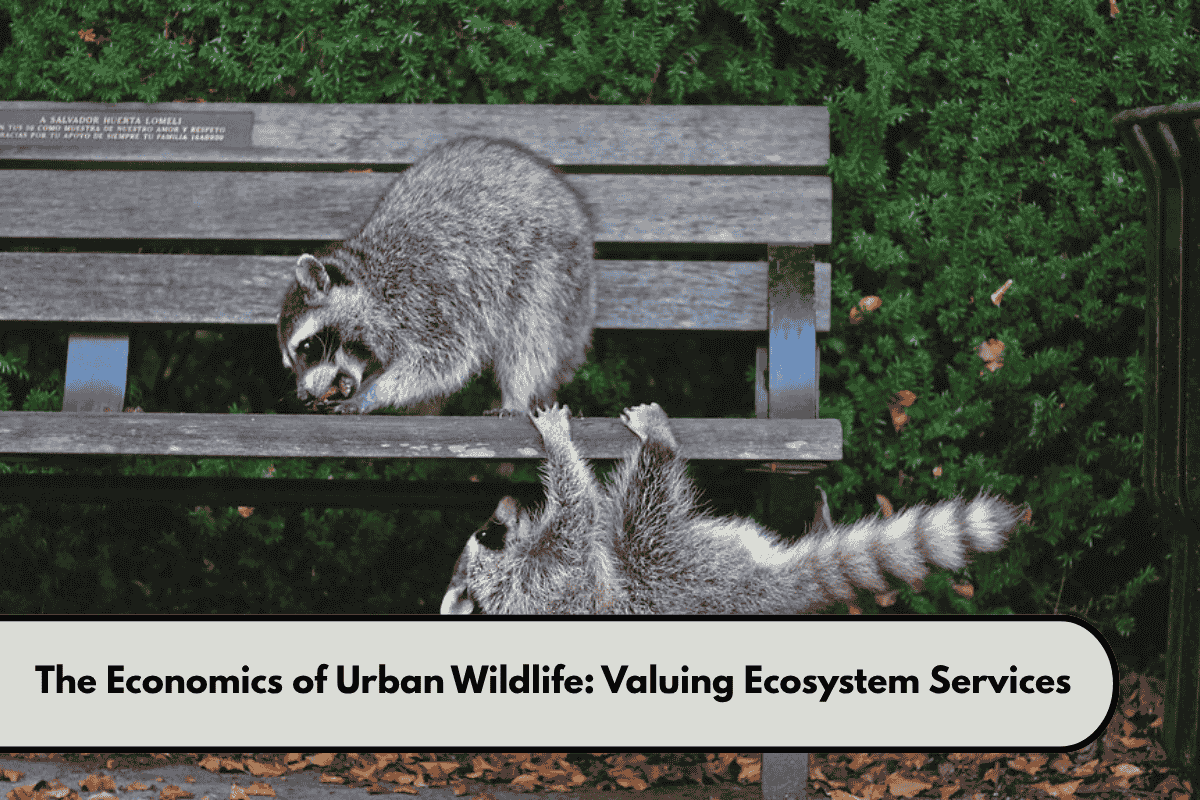
The economics of urban wildlife and ecosystem services reveal significant benefits that contribute to urban sustainability, public health, and local economies. Valuing these ecosystem services helps integrate nature’s contributions into urban planning and policy, ensuring economic recognition of biodiversity’s critical role in city life.
Economic Value of Urban Wildlife and Ecosystem Services
- Direct and Indirect Economic Benefits: Urban wildlife supports pest control, pollination, climate regulation, water purification, carbon sequestration, and recreational opportunities. For example, studies in the National Zoological Park, New Delhi valued these ecosystem services at INR 422.76 crore annually, with recreational and cultural services comprising the largest share.
- Property and Community Value: Proximity to green spaces and biodiversity-rich areas raises property values and attracts tourism and business investment. Homes near parks generally command higher prices, benefiting residents across income levels and boosting local tax revenues for public services.
- Health Cost Savings: Access to urban nature correlates with improved physical activity, reduced stress, and better mental health, leading to lower healthcare costs and increased productivity. Investing in biodiversity thus supports public health economics.
- Ecosystem Service Valuation: Quantifying services like temperature regulation, flood management, and air quality improvement enables cities to make data-driven decisions for sustainable urban development and green infrastructure investments.
- Socio-Economic and Equity Benefits: Urban biodiversity can enhance social cohesion through community gardens and parks, offer educational opportunities, and provide equitable access to nature’s benefits, contributing to social well-being and resilience.
FAQs
Q1: How do urban wildlife and ecosystems provide economic value?
Through services like pollination, pest control, climate regulation, recreation, and increasing property values.
Q2: Why is valuing ecosystem services important?
It makes nature’s contributions visible in economic terms, aiding urban planning and policy decisions.
Q3: What are examples of economic benefits from urban biodiversity?
Healthcare savings, increased property values, tourism revenue, job creation from urban agriculture and green initiatives.
Q4: How does urban biodiversity impact public health costs?
By promoting physical and mental health, greenspaces reduce medical expenses and improve worker productivity.
Q5: Are ecosystem service benefits evenly distributed?
Efforts are ongoing to address inequities, ensuring all urban residents access nature’s economic, social, and health benefits.